
Cost clarity and early-stage decision making in projects under £1m

Member: Derek Gough Associates (view their website)
Group: Knutsford Grafters
A guide for architects, builders, interior designers and homeowners
Early-stage cost clarity is one of the most important factors in delivering a successful residential or commercial project under £1m. Most cost overruns can be traced back to early decisions made without clear financial insight, creating risk and uncertainty that only becomes evident once building work starts.
By providing accurate cost advice at concept stage, DGA Plus gives architects, builders, interior designers and homeowners the control they need to make informed choices, protect the budget and prevent the common problems that lead to redesign, overspend and delay.
Drawing on 30 years of cost consultancy experience at DGA, the service provides practical, value-focused guidance that helps clients make the right decisions from day one.
The hidden cost traps in small residential projects – and how to avoid them
Projects under £1m are often the most vulnerable to cost overruns. With less contingency and defined budgets, even small discrepancies can disrupt a client’s financial plan.
Common traps include:
1. Scope creep disguised as design development
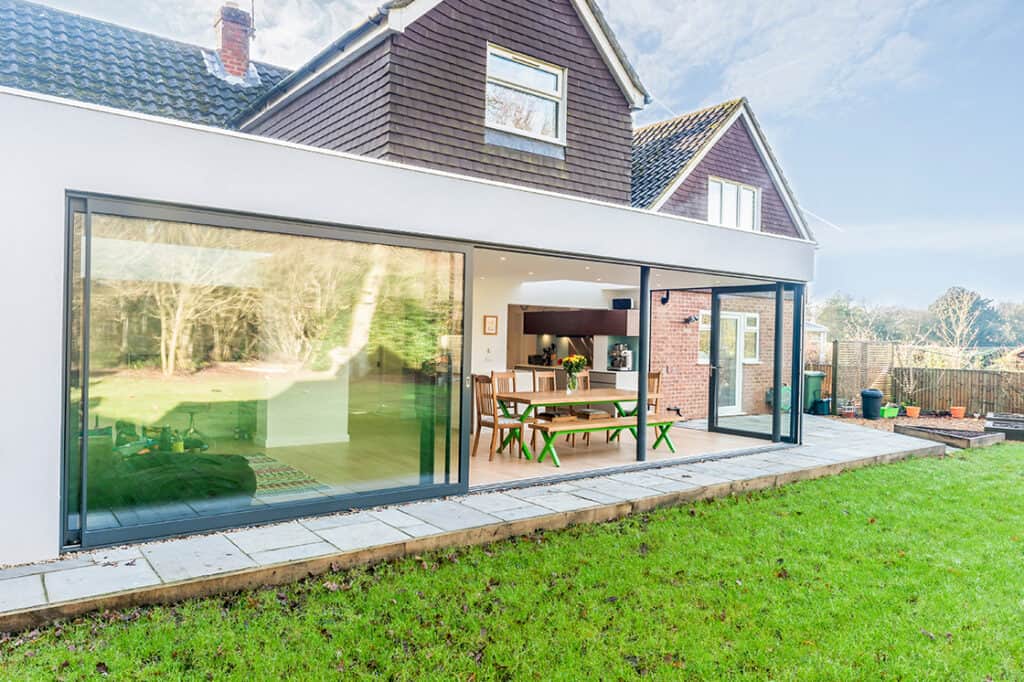
What starts as a simple extension can quickly grow once ideas develop. Extra glazing, roof lights, upgraded finishes or increased floor area add cost long before anyone realises the impact. Without formal cost checks at each design stage, the budget drifts.
2. Unrealistic allowances for finishes and fittings
Many budgets use basic allowances for items like kitchens, bathrooms, flooring and joinery. These allowances often don’t match what clients actually want.
Because these prime costs are only rough estimates, clients often discover during tender or procurement that their preferred products are significantly more expensive. This creates unexpected cost increases that could have been avoided with accurate early-stage costing.
3. Missing or unclear details in drawings
If information is incomplete, contractors are forced to make assumptions. These assumptions rarely align with the client’s expectations, leading to variations, disputes and commercial tension later down the line.
4. Material specification changes
Small specification decisions carry cost implications. Changing from uPVC to aluminium windows, adding underfloor heating or switching to engineered timber can significantly alter the build cost.
5. Underestimated preliminaries
Site access, waste management, scaffolding, temporary works and service upgrades are frequently overlooked. These can represent 10-15% of small project costs. DGA Plus prevents these traps by carrying out structured cost checks, validating design options, and flagging risk areas early. This stops surprises and helps clients stay within budget.
How to create a realistic construction budget before any designs are made
The most effective time to engage a cost consultant is before design work begins. Early cost modelling aligns the architectural vision with financial reality so the client can make informed decisions from the start.
For architects, integrating DGA Plus at pre-design stage delivers three benefits:
1. Accurate feasibility costing
Before the concept is developed, DGA Plus creates a baseline cost plan using real industry data, recent project benchmarks, and knowledge of similar schemes. This prevents the ‘design first, price later’ cycle that often leads to redesign and delays.
2. Clear financial boundaries
If the client has £150k, it is essential that the design remains within the constraints of what £150k can realistically deliver. DGA Plus sets out what is achievable and identifies the trade-offs.
3. Reduced redesign loops
When architects know the cost impact of early decisions, they can design with confidence. This strengthens the relationship with clients and supports smoother planning and procurement.
Early-stage cost advice protects the design process and gives homeowners confidence that their budget is being managed from day one.
Why accurate pre-contract cost modelling saves more than it costs
Many homeowners assume that bringing in a cost consultant will add unnecessary expense to their project. In reality, accurate pre-contract cost modelling usually saves far more money than it costs.
Independent data from RICS and other industry bodies shows that early cost planning can reduce overspends on residential projects by 10-20%.
The main reason is that it significantly reduces variations, which are the biggest cause of budget disruption. When the design, scope and specifications are clearly defined at the start, there is far less room for misunderstanding or re-pricing later.
Good cost modelling also improves procurement. With a structured and realistic cost plan, architects and homeowners can compare contractor prices properly, avoid inflated allowances, and make informed decisions. This often leads to immediate cost savings during tender.
Pre-contract cost clarity also reduces delays. Late design changes or specification shifts can slow down a programme and increase preliminaries, but accurate early-stage costing keeps the design stable and the project moving.
Once all these benefits are combined, most residential renovation and development projects end up saving thousands through better planning, reduced risk and smoother delivery. For projects up to £1m, the value delivered by DGA Plus far outweighs its fee because it provides discipline, transparency and financial control from the outset.

Why DGA Plus is the right partner for early-stage cost clarity
Residential projects under £1m in value require precise cost control, clear assumptions and disciplined budgeting. DGA Plus delivers all three.
The service draws on the wider experience of DGA, a forward-thinking cost consultancy with nearly three decades of expertise and a reputation for professional, reliable advice.
As a people-first practice, DGA is known for its straightforward approach, reliability and the level of care given to every client, regardless of project size or complexity. Associate Director and Head of QS Michael Pickering explains;
“Clients want clarity, honesty and support. Our job is to give them the confidence that every decision is grounded in real data and real experience. DGA Plus does that from the very beginning and has been very well received by architects.
They value having quick, accurate cost input during concept design because it reduces redesign cycles and gives their clients greater certainty. The general feedback has been that DGA Plus makes their job easier, strengthens communication and improves project outcomes for everyone involved.”
Michael’s background as both a PQS and a Contractor’s QS means he understands risks from both sides of the table, and he brings RICS principles into every project to ensure fairness, transparency and value.
By involving DGA Plus early, architects, builders and homeowners remove guesswork, reduce financial risk and gain confidence that the project is being managed with clarity and accuracy.
For practical early-stage cost guidance that protects your budget and improves project outcomes, contact the team at DGA to discuss your upcoming project.